Technology2026-09-154 min read

Codeworks Integrate for UAE Logistics: Assess Now, Buy Later

SC Codeworks has launched an AI-native layer for connecting ERP, WMS, TMS, ecommerce and trading-partner systems. UAE sellers and 3PLs should assess the problem now, but wait before buying.

Codeworks Integrate for UAE Logistics: Assess Now, Buy Later

Codeworks Integrate: assess now, buy later

SC Codeworks has launched Codeworks Integrate, an integration platform for warehouse and supply-chain systems. It connects ERP, warehouse management, transport management, ecommerce and trading-partner systems through APIs, SFTP and EDI. The company announced the launch on 9 September 2026. The announcement says the product is available as a standalone platform or alongside SC Codeworks’ wider software portfolio.

For a UAE seller or 3PL, the practical message is simple. If orders, stock, fulfilment and delivery data are moving between several systems through fragile custom links, this is a development worth tracking. It is not, on the evidence currently available, a reason to replace a working setup immediately.

The opportunity is less about adding another system and more about reducing the number of connections your team has to maintain.

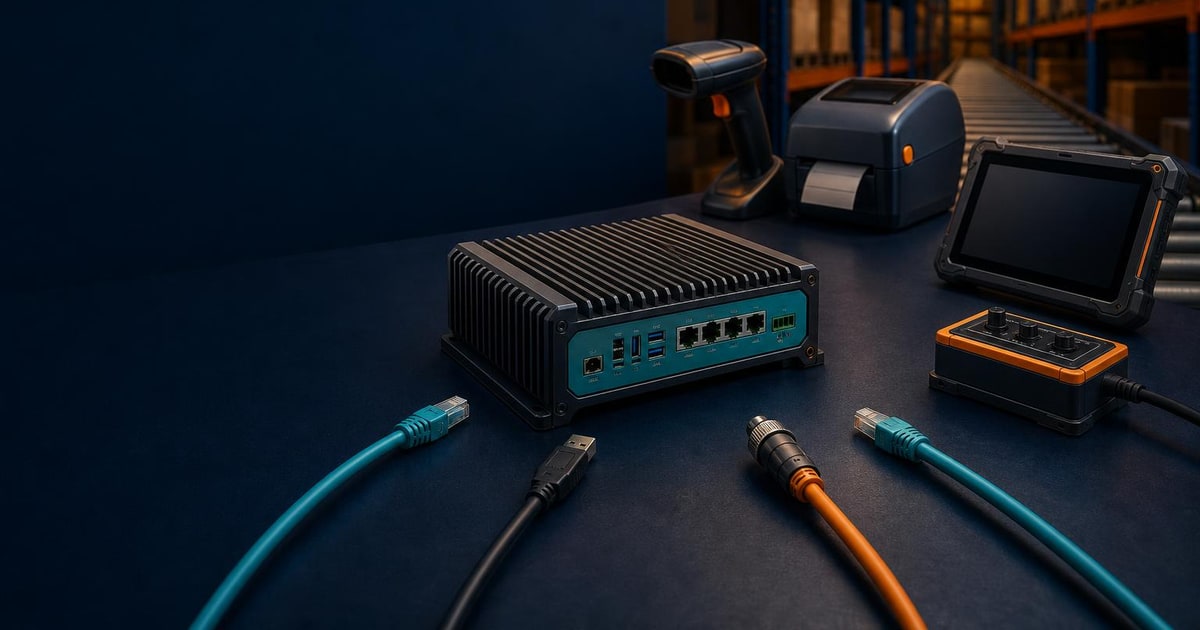
A central industrial data hub sits on a warehouse bench with four unplugged logistics devices around it.

What Codeworks Integrate connects across logistics systems

The platform is designed to act as a central integration layer. Instead of maintaining separate point-to-point connections between every application and partner, an organisation can place a shared layer between them. SC Codeworks says the platform can work with existing systems rather than requiring a broad technology redesign.

That matters when a business has a mixture of modern cloud applications and older partner processes. Codeworks Integrate supports APIs, SFTP and EDI, and translates data between formats including X12, EDIFACT, IDoc, XML and JSON. Those capabilities are aimed at the less visible work behind ecommerce and logistics: exchanging orders, inventory updates, shipment information and trading documents in the format each system expects.

The launch also puts AI inside the integration process. According to SC Codeworks, the software can help draft trading-partner onboarding, suggest data mappings and explain technical transaction errors in plain language. Human review remains part of the process before deployment.

That is a meaningful change in workflow, but not the same as fully autonomous integration. Someone still needs to understand the business rules, check the mapping and approve the connection. AI may reduce configuration effort. It does not remove responsibility for incorrect stock, orders or shipment data.
Why UAE sellers and 3PLs need reliable system connections

The pressure is familiar. A seller may have one system for online orders, another for accounts, a warehouse platform for stock and fulfilment, and a transport platform for delivery. A 3PL may also need to connect each customer’s systems and document requirements to its own operation.

SC Codeworks says these arrangements can create a patchwork of custom connections. When one fails, staff may have to trace a transaction manually or correct data before operations continue. The company also says customer onboarding can be delayed by integration work, particularly when each trading partner has different specifications.

For a UAE business considering ERP and automation, the lesson is to map the flow before choosing software. Write down where an order starts, where stock is allocated, how the warehouse receives the work, how transport is booked and how tracking returns to the customer. Then identify which hand-offs are manual, duplicated or regularly failing.

Businesses launching or expanding through Amazon.ae and Noon should apply the same discipline. Adding another sales channel can increase the number of records and status updates that need to stay aligned. The right answer may be a new integration layer, but it may also be a simpler connector or a better configuration of the systems already in place.

What to test before buying an AI integration platform

Do not buy on the words “AI-native” alone. Ask for a demonstration using your own order, inventory and shipment flows. Check how the platform handles failed messages, duplicate orders, partial fulfilment, returns and changes to a trading partner’s document format.

You should also ask which connectors are ready today, which require configuration and how monitoring is presented to operational staff. The announcement describes the capabilities and intended use cases, but it does not provide enough public detail to judge implementation effort, support arrangements or total cost for a particular UAE operation.

If your current integrations are causing missed orders, delayed onboarding or repeated manual fixes, start a vendor review now. If the links are stable and the main problem is a lack of process documentation, buying an AI integration platform is probably not yet justified.

  • —Map every system and hand-off
  • —Separate stable links from problem links
  • —Test real documents and exceptions
  • —Keep human approval in the process

Where Paknology fits in ERP and automation work

Paknology has a commercial interest where this work leads to ERP, automation or ecommerce implementation, including ZamBooks-related ERP and automation work. The honest boundary is that Codeworks Integrate is a specialist integration product, and this article does not establish that Paknology supplies it.

If you have only one sales channel and a small number of stable system connections, a native connector or a controlled export may be cheaper and simpler. Start by documenting the flow and fixing the highest-cost failure; speak to us through talk to us only if the review shows that a broader ERP or automation project is the sensible next step.

Ready to launch, automate and scale?

Book a free consultation and get a clear roadmap — from company formation to a fully automated digital operation.