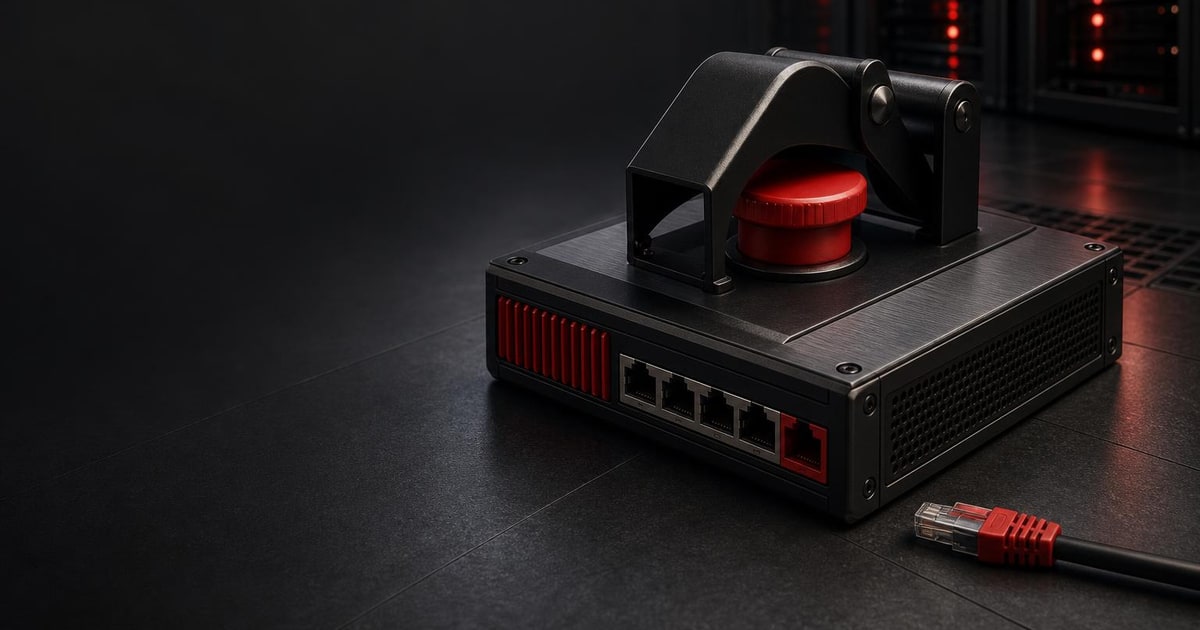
A kill switch does not replace ordinary access control, backups, endpoint protection, staff training or a clear approval process. It is a response control, not proof that an agent is safe to deploy.
CrowdStrike’s own product description says Guardian combines agent-level controls, network inspection and endpoint enforcement because one control point may miss part of the execution chain. Its AI Kill Switch currently begins at the gateway, so businesses should check the exact supported operating systems, agents, gateways and cloud environments before assuming full coverage. (crowdstrike.com)
For a smaller firm with no autonomous agents, the sensible choice may be nothing beyond a permissions review. For a firm letting AI touch live systems, the sensible step is to document the stop procedure and test it before expanding the agent’s access. A related AI security explainer for UAE small firms may help owners separate general endpoint protection from controls aimed specifically at AI activity.
Paknology has a commercial interest where this leads to an ERP or automation project, not because it sells CrowdStrike or Falcon Guardian. If your business has no agents with system access, a cheaper and simpler approach may be tighter permissions and a manual approval step. If automation is already connected to live workflows, review the access map first through ERP and automation support and only then decide whether specialist AI runtime controls are justified.