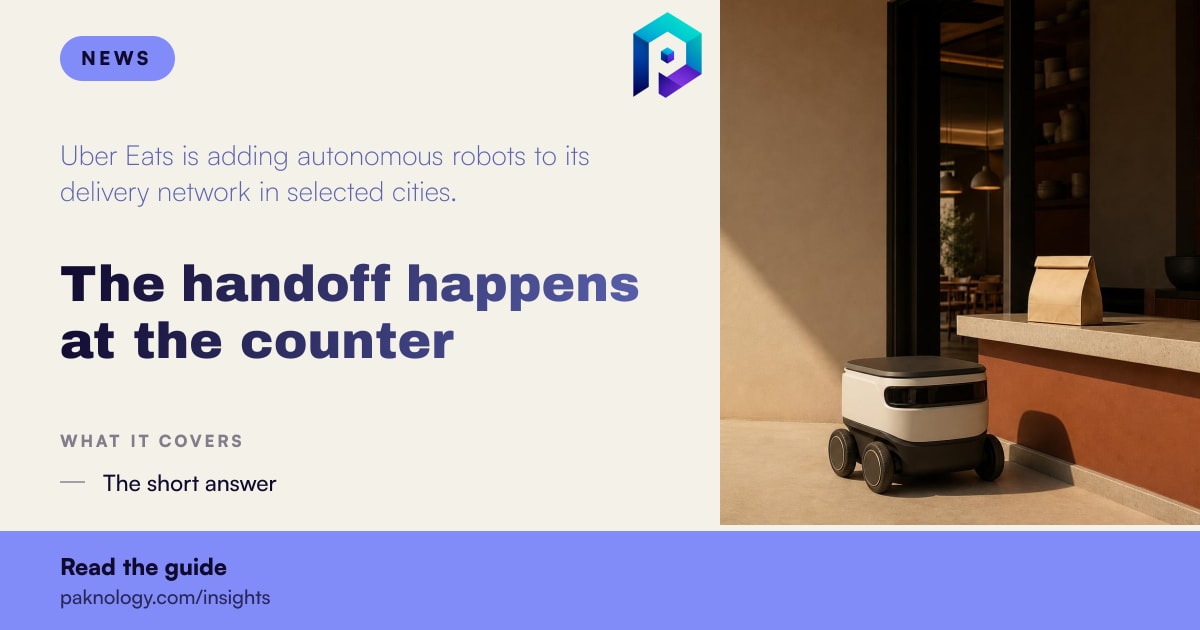
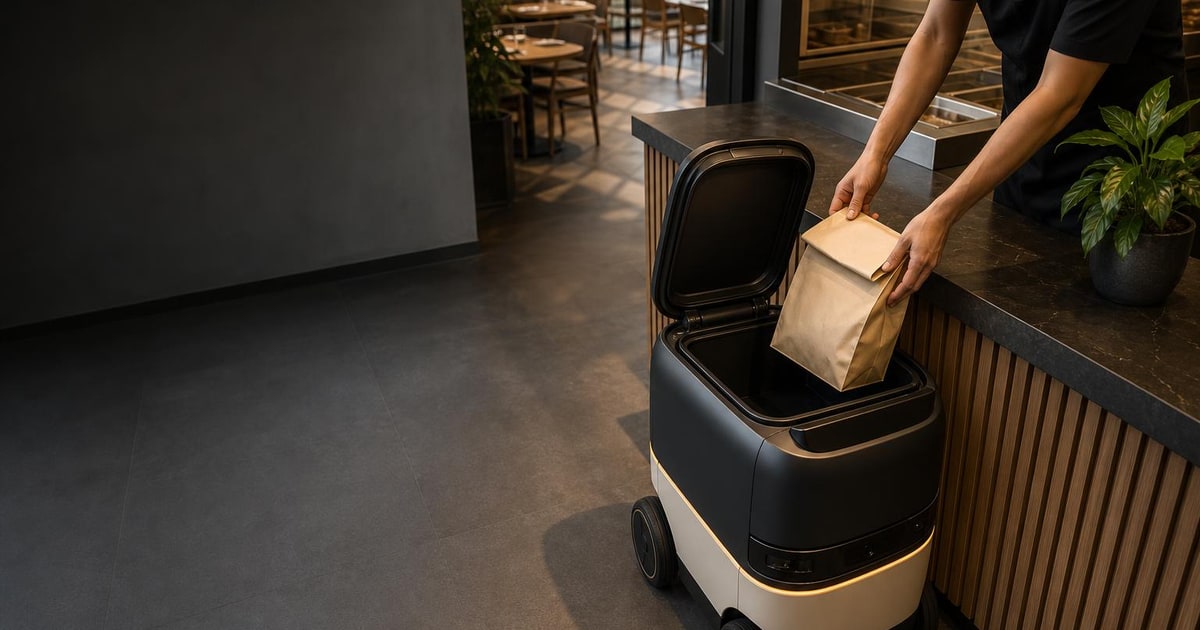
A sensible owner makes the restaurant ready for a different handoff without assuming that the technology has arrived locally.
First, document the existing collection process. Decide where a courier waits, who confirms the order, how drinks are secured and what happens when the counter is busy. That work is useful whether the eventual handoff is to a robot, a rider or a customer collecting directly.
Second, check that the restaurant’s POS and order records can show preparation time, collection time, cancellations and complaints by delivery channel. A restaurant POS system can help create a cleaner record of these events. If the business is already joining several channels, ERP and automation tools may also help bring order, stock and accounts data into one process.
Third, watch for a direct message from the platform rather than relying on social media claims. If Uber offers a UAE pilot, ask about the launch area, permitted pickup location, order-size limits, waiting rules, failed deliveries, damaged food and responsibility for customer support. Ask whether participation is automatic, optional or limited to particular restaurants.
Finally, do not confuse a smoother handoff with lower delivery cost. The real test is contribution margin after food, packaging, marketplace charges, refunds and staff time. Track those figures for robot orders separately if a pilot becomes available.