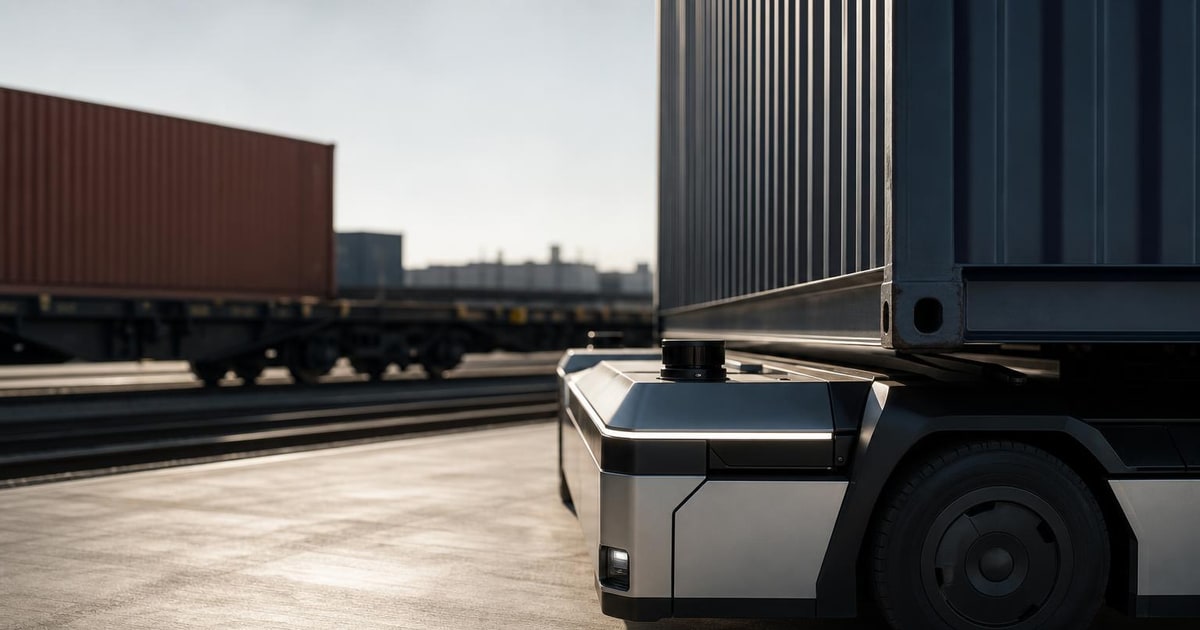
A large terminal or logistics group should ask vendors for a controlled site assessment, not a general demonstration. The assessment should use one route or one repeatable task. Measure waiting time, empty movements, hand-offs, exceptions and the time needed to recover from a blocked route.
A smaller warehouse, transport company or distributor should usually do nothing with autonomous trucks for now. It can still prepare by standardising location codes, recording vehicle tasks digitally and documenting exceptions. That work has value even if the business never buys an autonomous vehicle.
For businesses considering robotics or automation more broadly, Venti’s announcement is useful as a comparison point. It shows a system designed for continuous industrial production, with a large fleet and a formal implementation programme. It does not prove that the same economics apply to a smaller UAE yard, where volumes, shift patterns, traffic rules and supervision requirements may be different.
The next step is to document one yard process and identify the data it needs before looking at autonomous equipment. If the gap is disconnected stock, dispatch and accounts information, start with ERP and automation; if there is no clear operational use case, keep the process manual and improve the records first.